TED hose are anti-embolism stockings: light stockings that lower the risk of a blood clot while you are in a hospital bed or moving far less than usual after an operation. Graduated compression stockings are usually firmer and made for people who are up and about. The two are not interchangeable, and the difference matters most once you are home.
If you are wearing them after an operation
Call 911 for sudden breathlessness, chest pain that is worse when you breathe in, coughing up blood, a racing heart or fainting. These can mean a clot has reached the lungs.
Be seen today if one leg becomes newly swollen, painful, warm or discolored. Stockings lower the risk of a clot; they do not rule one out.
Take the stockings off and call your surgical team straight away if your toes turn pale, blue or cold, or you notice numbness, pain or blisters. A foot that stays cold, pale or numb with the stocking off is a 911 call.
Research-based comparison. Built from manufacturer specifications, FDA device records, NICE guidance and NHS hospital leaflets, checked in October 2026. We have not handled or tested these stockings.
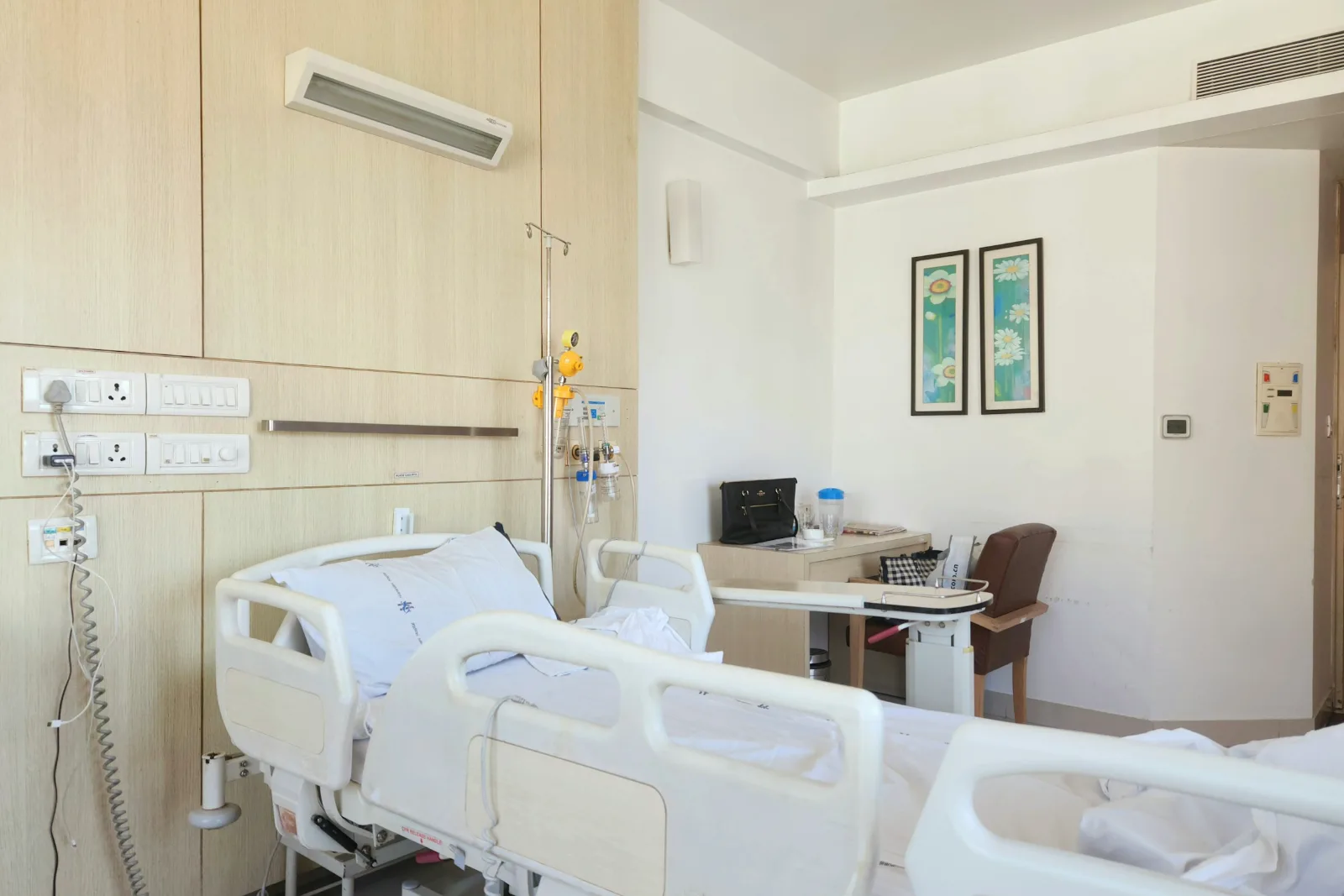
What TED hose are, and who they are for
TED stands for thrombo-embolus deterrent. T.E.D. is Cardinal Health’s brand, but the name is used for any anti-embolism stocking. They press hardest at the ankle and less further up, which helps move blood back up the leg veins.
They are made for a specific window: the days or weeks after surgery or illness when you are lying down a lot or walking much less than normal. JOBST and Truform both describe their versions as for people recovering from surgery or with reduced mobility, and that is the job the evidence supports, most strongly after surgery.
TED hose vs. compression stockings: the differences that matter
| Anti-embolism (TED) stockings | Graduated compression stockings | |
|---|---|---|
| Made for | People lying down or moving much less than usual, in and after hospital | People who are up and about |
| Main job | Lowering the risk of a deep vein clot | Controlling swelling and vein disease; lowering clot risk on long journeys for people at higher risk |
| Pressure at the ankle | Low: 18 mmHg where the label states it (JOBST, Truform) | Usually firmer: 15–30 mmHg for at-risk travelers (CDC); 30–50 mmHg for chronic venous insufficiency |
| When worn | Day and night, off once a day to wash and check the skin | On in the morning, for the hours your clinician sets |
| For how long | Until you are back to your usual activity | Usually long term; the benefit lasts only while they are worn |
| Typical look | Hospital versions usually white, often with an inspection opening under the toes | Many lengths, colors and toe styles |
| Arterial check first? | Not used with artery disease; expert opinion first if it is suspected (NICE) | Yes, if you have diabetes, artery symptoms, numbness, a wound, kidney disease or heart failure |
The right strength for vein disease is decided by whoever assesses your legs. Compression fit and pressure labels explains the bands.
What the evidence supports
Established clinical use: fewer deep vein clots in hospital patients after general or orthopedic surgery. A Cochrane review of 20 trials found clots in about 9% of the patients or legs given stockings, against 21% of those without.
Limited or conflicting evidence: preventing clots reaching the lungs, and use in non-surgical hospital patients (both rated low certainty by Cochrane).
Unsupported claim: treating everyday leg swelling or vein disease. We found no evidence for it.
Why TED hose are the wrong buy for everyday swelling
It is tempting to keep wearing the hospital stockings, or order more, for ankles that swell at home. That is usually a mismatch:
- Designed for a different job. The trials measured clots in hospital patients, not swelling.
- Too light for vein disease. About 18 mmHg at the ankle, against the 30–50 mmHg StatPearls describes for chronic venous insufficiency.
- Ruled out for severe swelling. NICE and Cardinal Health’s fitting guide both list it as a reason not to use them.
Persistent swelling needs its cause found first — see the swelling guide. If compression is then right, the usual answer is a graduated stocking chosen after an arterial check; compression socks covers choosing one.
Who should not wear anti-embolism stockings
NICE lists these as reasons not to offer them:
- Suspected or proven peripheral artery disease, or bypass surgery on the leg arteries
- Peripheral neuropathy or other loss of feeling in the legs
- Fragile “tissue paper” skin, dermatitis, gangrene or a recent skin graft
- Allergy to the stocking material
- Severe leg swelling
- A leg size, shape or deformity that prevents a correct fit
NICE also advises against them for clot prevention after an acute stroke, and urges caution over ulcers and wounds; Cardinal’s guide adds fluid on the lungs from heart failure. For any compression at home the rule is the same: with diabetes, leg pain on walking, numbness, a wound, kidney disease or heart failure, have your arterial circulation checked first, usually with an ankle-brachial index. Compression safety explains why.
TED hose sizing, wearing and skin checks
Getting the size right
Hospitals measure and fit these stockings, and NICE asks them to re-measure if a leg swells after surgery. For replacements, match the brand, length and size you were given. If those are lost, Cardinal’s fitting guide measures:
- Knee length: the calf at its widest, and the back of the knee to the heel.
- Thigh length: add the upper thigh, and the buttock fold to the heel. Choose knee length if the upper thigh is 91.4 cm (36 inches) or more.
Truform advises measuring on bare skin soon after waking. Charts differ between brands, so use the one for the stocking you buy.
Wearing them and checking the skin
NHS hospital leaflets say to wear them day and night, as much as possible, until you are back to your usual activity; one says off for no more than 30 minutes a day. Smooth out wrinkles and seat the heel in the heel pocket.
Take them off daily to wash and check the skin — two or three times a day, NICE says, if you have reduced mobility, fragile skin or any loss of feeling, especially over the heels and bony points. Stop and get advice if they mark, blister, discolor the skin or hurt. See daily skin checks.
Washing
Makers advise washing every day to every three days in lukewarm water with a mild detergent, without fabric softener or wringing, and drying them away from heat. Two pairs let one dry while you wear the other.
How long to wear TED hose after surgery
There is no single number, and your surgical team’s instructions come first. Published guidance:
- NICE: until you no longer have significantly reduced mobility compared with your normal.
- Cambridge University Hospitals (NHS): until mobility is back to normal or improved — up to six weeks after recent hip or knee surgery.
- Bradford Teaching Hospitals (NHS): until you are back to your usual activity.
Stockings are often one part of the plan: the National Heart, Lung, and Blood Institute notes you may also be prescribed a blood thinner at home, and that your team may ask you to move around as soon as possible. Before discharge, ask how many weeks, whether day and night, and who to call if they mark or hurt. DVT symptoms explains what to watch for.
Options, if you need replacement pairs
How this guide was made, and how the site is paid. This is a research-based comparison built from manufacturer specifications, FDA device records and published guidance; we have not tested these stockings hands-on. Some links go to Amazon. As an Amazon Associate I earn from qualifying purchases. Commissions do not change which products are listed or what we say about them, and no manufacturer provided products, samples or payment for this guide. Our methodology · Disclosure
Buy these only if your surgical team wants you to keep wearing stockings at home, and ask the hospital first: one NHS hospital supplies them for the whole planned course. Check return terms in case you need a second size.
Cardinal Health T.E.D. (hospital range)
What it is: the original TED hose, in white knee-length, thigh-length or belted styles, many with an inspection opening under the toes (for example item 3130LF). Labeled for prescription use in the FDA’s device database, so there is no shopping link here. May suit: anyone wanting exactly what the hospital used; ask for extra pairs. Limits: no pressure figure in the Cardinal documents we could access.
Cardinal Health T.E.D. for Continuing Care
What it is: Cardinal’s range for after discharge, listed as over the counter in the FDA’s device database: knee length in white, beige or black (for example item 4435) and thigh length in white. May suit: staying with T.E.D. sizing, or a less clinical color. Limits: measure against the T.E.D. chart rather than guessing. See it on Amazon
JOBST Activa Anti-Embolism
What it is: 18 mmHg at the ankle; knee or thigh high; open or closed toe; white; sizes S to XL. May suit: people who want an open toe for checking the toes. Limits: four sizes, and no measuring guide on JOBST’s product page, so get the chart first. See it on Amazon
Truform Anti-Embolism
What it is: 18 mmHg, latex-free: knee high with an open toe (0808) or closed toe (8808), short versions of both, and thigh high with a closed toe (8810). May suit: recovery at home, including in colors other than white. Limits: closed-toe styles must come off for toe checks; use Truform’s chart. See it on Amazon
Not recovering from surgery? For swelling, vein symptoms or travel, see compression socks.
Downsides and limits
- They reduce risk; they do not remove it. Know the warning signs at the top of this page.
- Poor fit causes harm: marks, blisters and pressure damage. Trials recorded these problems poorly, so how often they happen is uncertain.
- Some people need help. NICE expects people sent home in stockings to manage them, or to have someone who can.
Alternatives, including not buying
- Use what the hospital supplied, and ask for a second pair.
- Stop when your team says you can — usually once you are back to your usual activity.
- Move. Walking, and foot exercises when you cannot walk, are part of clot prevention in their own right.
- Get persistent swelling assessed rather than buying more stockings.
Questions to ask your clinician
- Should I keep wearing anti-embolism stockings once I am home, and for how long?
- Who will check the fit and my skin while I wear them?
- Once I am up and walking, would a graduated compression stocking suit me better?
- Is there anything about my circulation or skin that makes stockings unsafe for me?
From the clinic
I often meet patients still wearing the white anti-embolism stockings from a hospital stay months later, using them for everyday swelling. They were designed for people lying in bed, and they are usually the wrong tool for someone who is up and walking with venous disease. If you need ongoing compression, ask for graduated stockings fitted for walking, and have your circulation checked first if you have any history of artery problems.
Common questions
What is the difference between TED hose and compression stockings?
TED hose are low-pressure anti-embolism stockings that lower clot risk while you are lying down or much less mobile than usual. Graduated compression stockings are usually firmer, made for people who are up and about, and used for vein disease, ongoing swelling and some long journeys.
What does TED hose stand for?
Thrombo-embolus deterrent: a stocking meant to deter blood clots. T.E.D. is Cardinal Health’s brand, but the name is used for anti-embolism stockings generally.
How long do you wear TED hose after surgery?
Until you are back to your usual mobility, or as long as your surgical team says. One NHS hospital gives up to six weeks after hip or knee surgery, but your own team’s instructions come first.
Is it okay to sleep in TED hose?
Yes. While your mobility is reduced they are usually worn day and night, coming off once a day for washing and a skin check. For graduated stockings, your clinician sets the hours.
Do TED hose help with swelling?
They are not a swelling treatment. They are made for clot prevention, NICE advises against them in severe leg swelling, and their pressure is below the range used for vein disease. Swelling that persists needs assessment.
How do you measure for TED hose?
For knee length, measure the calf at its widest and the back of the knee to the heel. For thigh length, add the upper thigh and the buttock fold to the heel. Use the chart for the brand you buy.
Where to go next
Sources
- National Institute for Health and Care Excellence. Venous thromboembolism in over 16s (NG89): recommendations.
- Cochrane. Graduated compression stockings for prevention of deep vein thrombosis during a hospital stay.
- National Heart, Lung, and Blood Institute. Venous Thromboembolism: Preventing Blood Clots.
- MedlinePlus, National Library of Medicine. Compression stockings.
- StatPearls, NCBI Bookshelf. Venous Insufficiency.
- Centers for Disease Control and Prevention. CDC Yellow Book: Deep Vein Thrombosis and Pulmonary Embolism.
- Cambridge University Hospitals NHS Foundation Trust. Anti-embolic stockings (AES).
- Bradford Teaching Hospitals NHS Foundation Trust. T.E.D Anti-Embolism Stockings.
- U.S. Food and Drug Administration, AccessGUDID. T.E.D. 4435 device record and T.E.D. 3130LF device record.
- Cardinal Health (manufacturer document). T.E.D. fitting and measurement guide, 2019.
- JOBST (manufacturer information). JOBST Activa Anti-Embolism.
- Truform (manufacturer information). Anti-Embolism Knee High Open Toe.
Written by Tom Biernacki, DPM, FACFAS. Published 9 October 2026. Updated 16 October 2026. Research-based comparison; product details and retailer links checked 9 October 2026. General education, not medical advice.